



Dental veneers require a strong, healthy foundation. Learn how gum health impacts aesthetics, comfort, and longevity before moving forward with cosmetic treatment. Get expert guidance from Dental Centers of America in Boynton Beach.
Implant-supported dentures combine full-arch restoration with implant stability, helping reduce looseness and gum discomfort. Dental Centers of America in Boynton Beach provides customized implant denture solutions focused on secure function, ongoing maintenance, and lasting oral comfort.
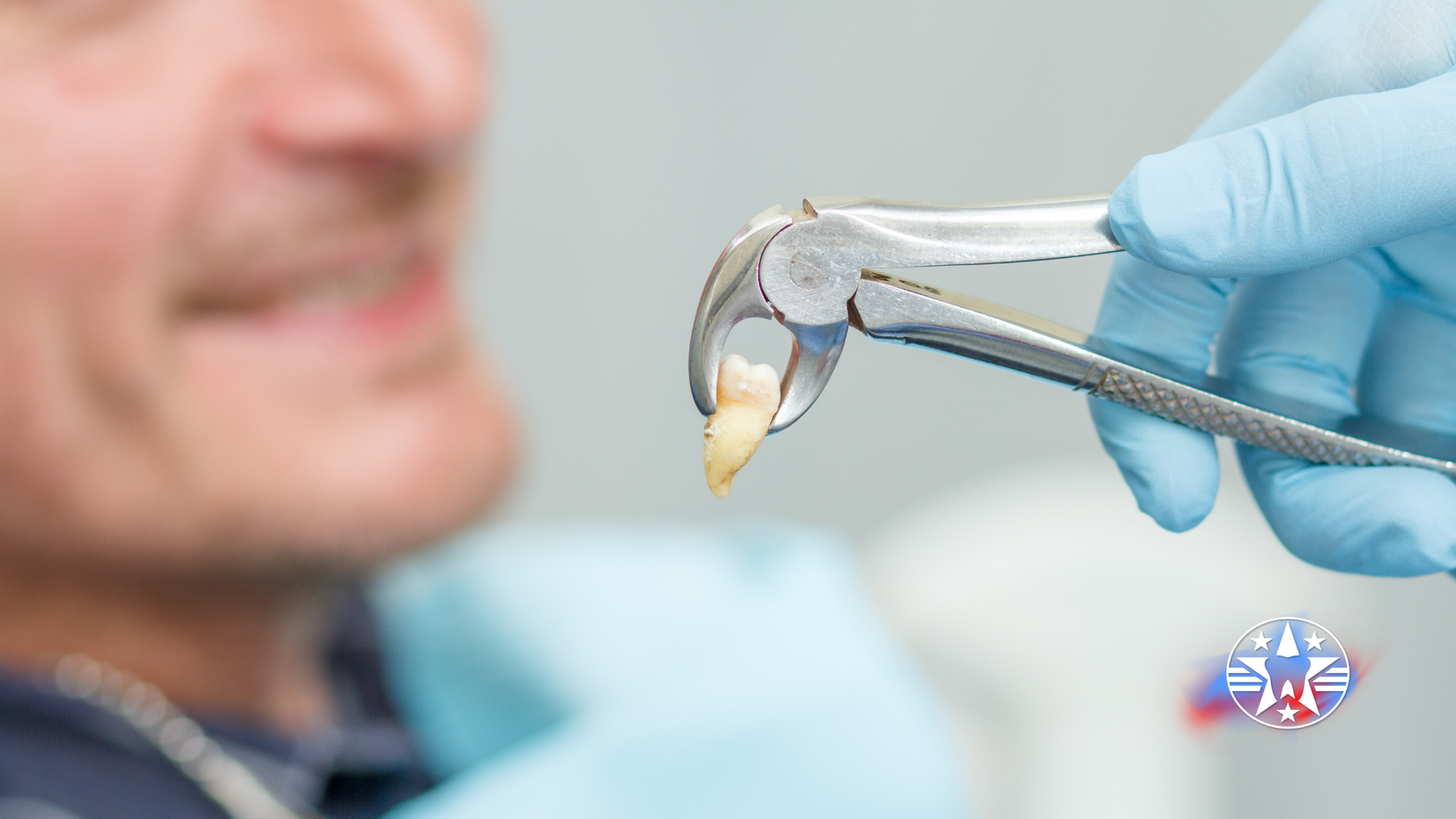
Wondering how long tooth extraction recovery takes? This guide explains healing stages, what you may feel each day, and how to support recovery with rest, soft foods, and gentle oral care. Learn more about tooth extraction healing from Dental Centers of America in Boynton Beach.

Peri-implantitis often begins silently but can progress quickly without treatment. This educational resource outlines causes, symptoms, and care options, helping patients at Dental Centers of America in Boynton Beach protect their implants and oral health.

Oral health is shaped by consistency and awareness. Dental Centers of America in Boynton Beach highlights everyday dental habits that can be gently improved to support comfort, confidence, and a healthier smile heading into the new year.

Holiday schedules can add stress to oral health routines. Learn how a pre-travel cleaning and exam at Dental Centers of America in Boynton Beach keeps your smile bright and ready for every seasonal celebration.
Dental crowns are a dependable option for restoring damaged teeth. In this complete guide, Dental Centers of America in Boynton Beach breaks down the assessment process, preparation steps, temporary crowns, final placement, and essential aftercare to help patients understand what to expect.
At Dental Centers of America in Boynton Beach, we focus on more than your smile; we help you understand how gum disease and diabetes are connected. Our preventive care approach supports stable blood sugar levels and long-term oral health for patients managing diabetes.
A successful dental implant recovery depends on consistency and professional care. At Dental Centers of America in Boynton Beach, we help patients through each stage of healing and provide personalized advice. Book your next appointment to keep your implant strong.

Sensitive teeth require professional whitening care. At Dental Centers of America in Boynton Beach, our tailored approach reduces discomfort, strengthens enamel, and ensures safe, effective whitening for patients who want brighter, healthier smiles.

Healthy gums are key to oral health. At Dental Centers of America in Boynton Beach, we explain which natural remedies, like saltwater rinses and herbal treatments, may provide relief, and when professional dental treatment is the best way to manage gum disease.

At Dental Centers of America in Boynton Beach, we provide professional dental checkups and cleanings designed to prevent cavities, gum disease, and other oral health concerns. Learn how routine care keeps your smile healthy, bright, and worry-free.
Dental veneers require a strong, healthy foundation. Learn how gum health impacts aesthetics, comfort, and longevity before moving forward with cosmetic treatment. Get expert guidance from Dental Centers of America in Boynton Beach.
Implant-supported dentures combine full-arch restoration with implant stability, helping reduce looseness and gum discomfort. Dental Centers of America in Boynton Beach provides customized implant denture solutions focused on secure function, ongoing maintenance, and lasting oral comfort.
Wondering how long tooth extraction recovery takes? This guide explains healing stages, what you may feel each day, and how to support recovery with rest, soft foods, and gentle oral care. Learn more about tooth extraction healing from Dental Centers of America in Boynton Beach.
Peri-implantitis often begins silently but can progress quickly without treatment. This educational resource outlines causes, symptoms, and care options, helping patients at Dental Centers of America in Boynton Beach protect their implants and oral health.
Oral health is shaped by consistency and awareness. Dental Centers of America in Boynton Beach highlights everyday dental habits that can be gently improved to support comfort, confidence, and a healthier smile heading into the new year.
Holiday schedules can add stress to oral health routines. Learn how a pre-travel cleaning and exam at Dental Centers of America in Boynton Beach keeps your smile bright and ready for every seasonal celebration.
Dental crowns are a dependable option for restoring damaged teeth. In this complete guide, Dental Centers of America in Boynton Beach breaks down the assessment process, preparation steps, temporary crowns, final placement, and essential aftercare to help patients understand what to expect.
At Dental Centers of America in Boynton Beach, we focus on more than your smile; we help you understand how gum disease and diabetes are connected. Our preventive care approach supports stable blood sugar levels and long-term oral health for patients managing diabetes.
A successful dental implant recovery depends on consistency and professional care. At Dental Centers of America in Boynton Beach, we help patients through each stage of healing and provide personalized advice. Book your next appointment to keep your implant strong.
Sensitive teeth require professional whitening care. At Dental Centers of America in Boynton Beach, our tailored approach reduces discomfort, strengthens enamel, and ensures safe, effective whitening for patients who want brighter, healthier smiles.
Healthy gums are key to oral health. At Dental Centers of America in Boynton Beach, we explain which natural remedies, like saltwater rinses and herbal treatments, may provide relief, and when professional dental treatment is the best way to manage gum disease.
At Dental Centers of America in Boynton Beach, we provide professional dental checkups and cleanings designed to prevent cavities, gum disease, and other oral health concerns. Learn how routine care keeps your smile healthy, bright, and worry-free.